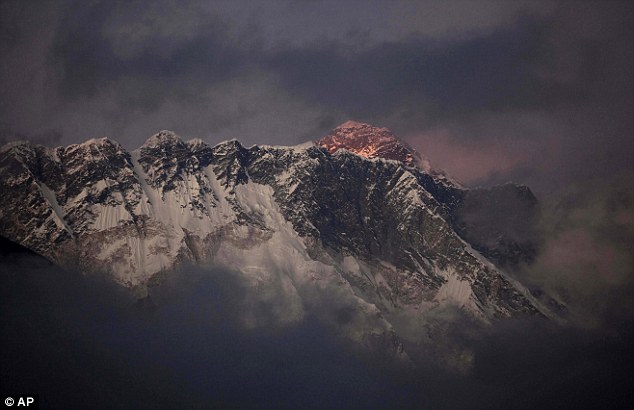
From page 1, it becomes blatantly clear that this book “Into Thin Air” by Jon Krakauer is full of tragedy that conveys a sense of suspense to the reader. What I mean by this is that the author, straight off the bat, informs us that four of his partners meet their demise to an unexpected storm near the top of Mount Everest (Krakauer, intro XI). Since the author Jon Krakauer wrote this novel in his own point of view, I have a good idea of what he is like. It seems that Jon is a blunt/straightforward type of guy as he explains the outcome of the excursion “after six bodies had been located, after a search for two others had been abandoned” (Krakauer, 6) leading the reader to believe that the trip was a disaster, which it was.

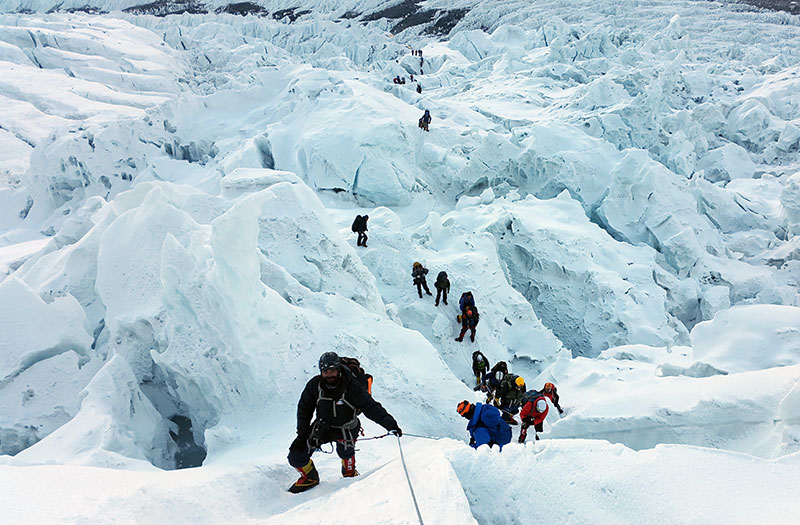
Mr. Krakauer is able to instill mental images into the minds of me and you from his vivid descriptions of Mount Everest and surrounding area. In my mind, Everest is a dark place full of surprises around every corner due to its unique features, features that Jon explains in detail. Just look at “Hillary Step” to which Hillary himself describes as “a rock step some forty feet high….The rock itself, smooth and almost holdless” (Krakauer, 17). Another mental image I have is of Khumbu Icefall, an area where the infamous Khumbu glacier scratches against the rough icy terrain causing “tottering blocks called seracs” to fall down on unsuspecting victim heads (Krakauer, 75). This place 20 000 feet up is associated with chance, as at any point huge seracs could be falling down on top of the path which the mountain climbers take, a very dangerous area to get by.
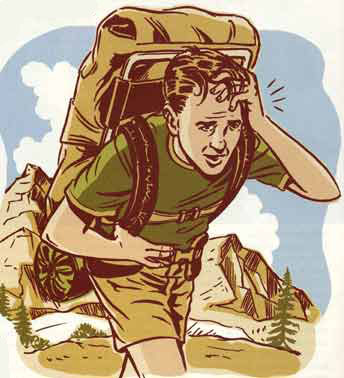
From this novel it sparked memories of my grade 9 geography teacher talking about his own summit adventures. In particular his experience with Mt Kilimanjaro with his girlfriend at the time. The reason why I remember this story so well is because of his decision making halfway up the mountain. It is well known that climbing a geological feature with a high elevation too fast will lead to altitude sickness which is what his girlfriend at the time developed. Surprisingly, he left her at base camp instead of sticking by her side and making sure she was feeling well/getting better. He explained that he had paid all that money for this excursion so he was going to get the most out of it, needless to say they did not stay together long after their trip to Africa. Similarly, everyone on the Adventure Consultants Guided Expedition (the group with Jon Krakauer) experienced some sort of altitude sickness. In particular, Rob Hall, the leader and head guide of this group had a best friend named Gary Ball who passed away due to “cerebral edema-swelling of the brain brought on by high altitude” (Krakauer, 34) an extreme case of altitude sickness known as HACE.
I believe that because of the nature of the book, it was intended for the thrill seekers and geography enthusiasts. The author is able to create a piece of text that uses straight facts while also including his own opinion into the mix. This style of writing appeals to the thrill seekers as they get another opinion on the topic at hand from another, experienced mountain climber (Jon Krakauer). To appeal to the geography lovers, Jon includes a little disclaimer occasionally at the bottom of the page to give more information directed towards the topic of choice. This from of communicating ideas is very effective as it does not interrupt the flow of the text and it provides a more in depth look at certain topics that need explaining. These topics range from expeditions into Mt. Everest to geological features such as a bergschrund “is a deep slit that delineates a glacier’s upper terminus” (Krakauer, 75) which causes a lot of problems for rock climbers. What I do know is that everybody who begins to read this novel will not stop until they are on the last page.
References
https://www.webmd.com/a-to-z-guides/altitude-sickness#1
https://www.lonelyplanet.com/tanzania/mount-kilimanjaro
https://www.merriam-webster.com/dictionary/bergschrund
 Ben's Blog